AI-Enabled Legal Frameworks & Regulatory Compliance in 2026: A Strategic Guide for Businesses
Business and commercial law in 2026 is no longer just about basic compliance and contract drafting – it’s about integrating technology, sustainability, and global legal harmonization into legal strategy. Companies of all sizes are facing new legal expectations around AI usage, digital agreements, ESG duties, and cross-border operations, requiring proactive legal frameworks that do more than just check boxes.
1. AI & Digital Contracts: The Future of Legal Agreements Artificial intelligence is transforming how businesses create and manage legal documents.
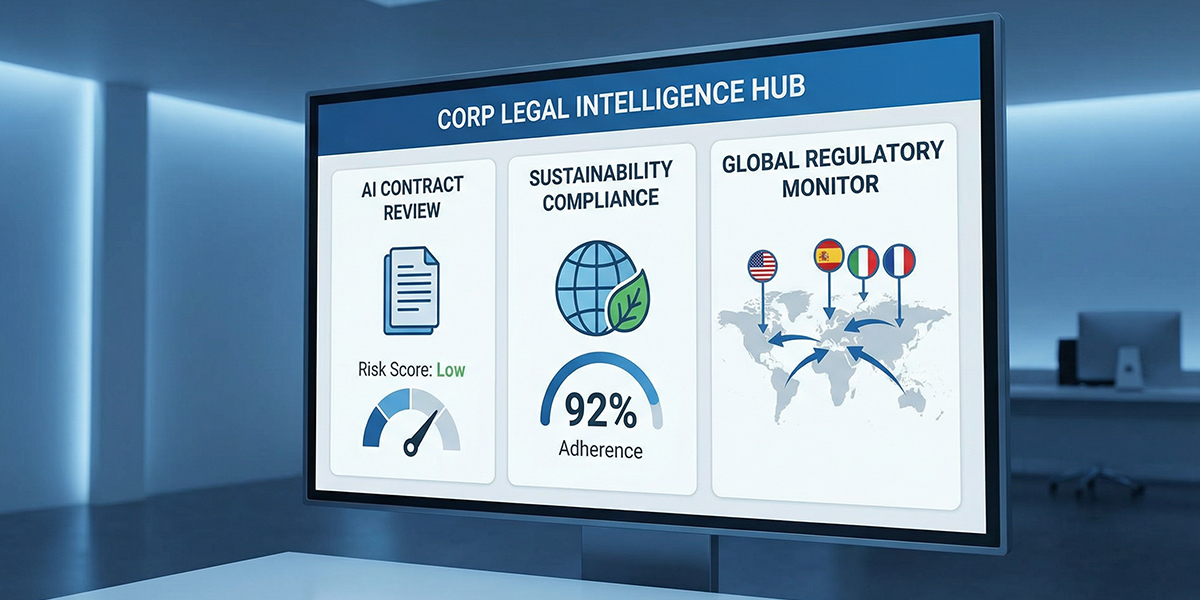
AI-assisted contract review speeds up due diligence, highlights risky clauses, and enhances negotiation leverage.
Smart contracts (blockchain-enabled) automate enforcement, reducing human error and accelerating execution timelines.
This trend means legal teams must rewrite existing workflows and train stakeholders to leverage AI-integrated legal tools safely and compliantly.
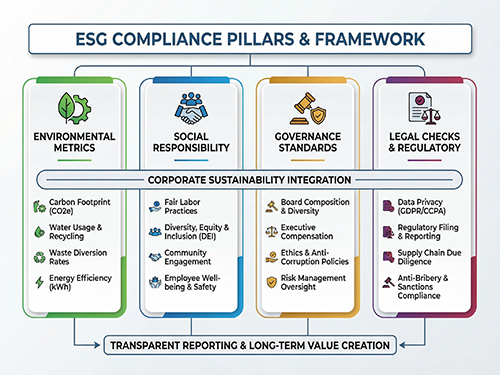
2. ESG Legal Compliance & Sustainability Obligations Environmental, Social, and Governance (ESG) requirements are evolving into enforceable legal standards. Globally, regulators are intensifying scrutiny – including increased litigation around greenwashing and sustainability claims. Businesses must now embed legal oversight into sustainability disclosures and compliance systems. An emerging example is the EU’s Corporate Sustainability Due Diligence Directive, which mandates legal due diligence on human rights and environmental impacts across global value chains. Effective commercial law services now incorporate mandatory ESG disclosures, legal risk audits, and transparency frameworks that help businesses comply and build stakeholder trust.
3. Global Regulatory Harmonization & Cross-Border Legal Risks As businesses operate internationally, inconsistent national laws create commercial risks. One major 2026 trend is regulatory harmonization across jurisdictions – especially in data protection, trade compliance, and corporate governance. Legal Eye Modern legal frameworks must:
Align contracts with multi-jurisdiction rules.
Adjust policies for local regulatory nuances.
Anticipate cross-border enforcement mechanisms.
This is critical for companies engaged in global transactions, digital services, and international trade.
4. Fast-Track Legal Updating: Indian Corporate Law Reforms In India, corporate legal reform is accelerating. For example, the Ministry of Corporate Affairs expanded the fast-track merger framework for unlisted companies, simplifying mergers and reducing dependence on tribunals. Legal planning now must take modern statutory efficiency mechanisms into account, reducing transactional friction and legal exposure for businesses aiming to restructure or expand.
Conclusion
In 2026, legal strategy must be forward-looking, tech-aware, and globally compliant. AI integration, ESG legal duties, cross-border harmonization, and modern regulatory reforms demand that businesses rethink their legal planning. Commercial law is no longer a reactive function – it’s strategic infrastructure essential to sustainable growth.





Leave a Reply