Navigating Business Licenses & Permits in India: What Every Entrepreneur Must Know
Starting a business in India is easier than ever – but staying compliant is where most entrepreneurs struggle. One of the biggest challenges is understanding which business licenses and permits are required to operate legally.
Many business owners assume registration is enough, but depending on your sector, location, and business model, you may require multiple approvals before launching operations.
This blog simplifies the licensing ecosystem in India and explains how you can avoid penalties, delays, and compliance risks.
1. Why Licenses Matter More Than Ever in 2025
With India rapidly digitizing compliance, authorities have become more strict about:
Unauthorized business operations.
Failure to obtain sector-specific approvals.
Missing renewals.
Non-compliance with local/state regulations.
Having the right licenses ensures: i)Legal protection ii)Smooth operations iii)Trust from customers & partners iv)Eligibility for loans & government benefits v)Better credibility for collaborations
2. Common Business Licenses Required in India Every business requires different sets of licenses depending on activity and location. Here are the major categories: A. Fundamental Licenses (Most Businesses Need These)
Business Entity Registration (Proprietorship, Partnership, LLP, Pvt Ltd).
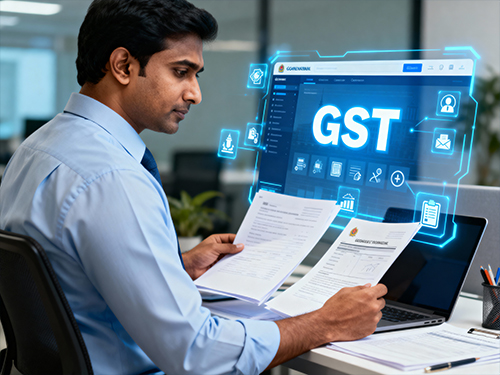
GST Registration.
PAN / TAN.
Udyam/MSME Registration.
Professional Tax (State-based)
B. Local Licenses & Permits Based on the city or state you operate in:
Shop & Establishment License.
Trade License.
Municipal Corporation Permissions.
Signage/Advertisement Permit.
Essential for:
Retail stores.
Offices.
Service centers.
Local shops.
Clinics.
Agencies.
3. Industry-Specific Licenses (Mandatory for Regulated Sectors)
Sector
Required Licenses
Food business
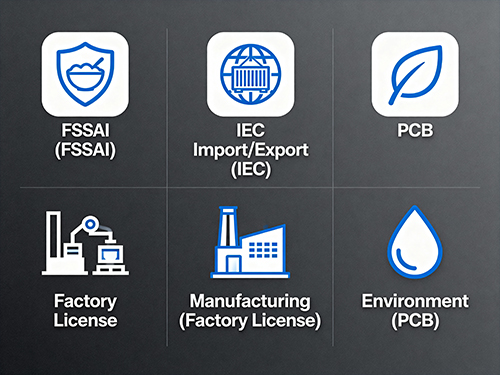
FSSAI Registration / License.
Manufacturing units
Factory License, Pollution Control Board NOCs.
Import / Export
IEC Code.
Online/E-commerce sellers
GST, Trade License, sometimes FSSAI.
Health & Wellness
Clinical Establishment License.
Finance & Advisory
RBI/SEBI-related approvals (if applicable).
Education/Training
State education approvals (depending on model).
4. Penalties for Operating Without Proper Licenses Running a business without required permits can result in:
Closure of business operations.
Heavy fines & penalties.
Confiscation of goods.
Legal proceedings.
Loss of credibility.
Rejection of loans or tenders.
Prevention is always easier (and cheaper) than facing consequences.
5. How BOW Helps You Stay Fully Compliant At BOW, we simplify licensing for startups and MSMEs with: a) License Requirement Assessment We evaluate your business model, industry, state regulations, and operations. b) Documentation & Application Support We prepare forms, compile documents, and submit applications on your behalf. c) Compliance Tracking We monitor deadlines & renewals to ensure constant compliance. d) Business-Specific Guidance Whether you run an office, store, tech startup, food business, or manufacturing unit – we guide you on the exact licenses you need.
Conclusion
A license isn’t just a document – it’s your business’s legal identity and operational permission. Whether you’re launching a new venture or expanding into new sectors, ensuring proper licensing protects you from legal risks and strengthens your business foundation.
If you want help identifying or obtaining the right licenses for your business, BOW can handle everything end-to-end – documentation, applications, renewals, and compliance.







Leave a Reply