Smart B2B Exchange Ecosystems: The New Era of Resource Trading for Businesses in 2025
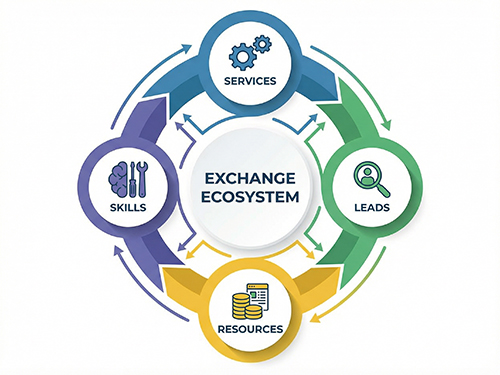
As businesses look for ways to grow without burning extra capital, a new trend is reshaping the way companies collaborate: Smart Business Exchange Ecosystems. These platforms allow businesses to exchange services, leads, resources, manpower, and unused assets – often without cash being the primary medium.
From startups to SMEs and service providers, companies are now leveraging value-based exchanges to minimize costs, increase reach, and accelerate growth. In 2025, Business Exchange Services are becoming essential tools for sustainable expansion.
1. What Are Business Exchange Ecosystems? A Business Exchange Ecosystem is a structured platform where companies can:
Exchange services.
Trade unused resources.
Swap qualified business leads.
Share tools, manpower, and opportunities.
Collaborate on joint projects.
Monetize idle capacities.
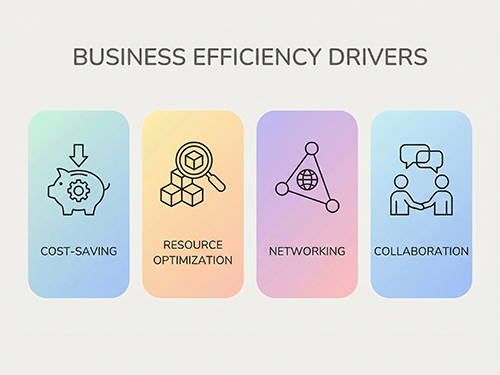
This approach reduces operational cost and increases business efficiency. Instead of spending capital, businesses use value-for-value exchange – a modern version of barter, but digitally powered and professionally structured.
2. Why Business Exchanges Are Trending in 2025 a) Reduced Operational Costs Businesses can access expensive services (marketing, IT, logistics, consulting, HR, etc.) by offering their own capabilities in return – saving significant cash. b) Perfect for Startups & SMEs Young businesses can scale without heavy investment by trading skills, tools, or leads. c) Unlocks Idle Capacity Unused inventory, vacant office hours, extra manpower, or slow-moving stock can be exchanged for something useful. d) Expands Business Networks Companies meet verified partners, collaborators, and clients through the exchange system. e) Faster Deal Cycles Exchanges are quicker than traditional purchasing or RFP processes.
3. Types of Exchanges Trending in 2025
Service Exchanges Digital marketing ↔ accounting. IT support ↔ HR consultancy. Graphic design ↔ business strategy.
Lead Exchanges Companies share qualified leads from their surplus or mismatched categories.
Skill Swap Collaborations Specialist skills exchanged for training, workshops, or expert hours.
Project-Based Exchanges Businesses jointly deliver services without additional hiring.
This systematic, trust-based exchange ecosystem boosts productivity and cuts business expenses.
4. How Business Exchange Services Add Value to Companies Business Exchange Services help companies:
Discover credible partners.
Validate service quality.
Facilitate secure agreements.
Manage exchange credits and balances.
Track completed deals.
Ensure transparency in transactions.
Avoid fraud through verification layers.
Platforms like BOW help businesses exchange value in a structured, organized, and legal-friendly manner.
Conclusion
The shift toward Business Exchange Ecosystems marks one of the biggest business trends in 2025. As companies look for smarter ways to reduce costs, boost productivity, and scale sustainably, exchanging value instead of spending capital has emerged as a powerful solution.
Whether you’re a startup, SME, consultant, or manufacturer, Business Exchange Services can help you grow faster, collaborate better, and make the most of every asset you already have.







Leave a Reply