Why Building a Business Ecosystem Matters More Than Solo Growth Today
In a rapidly changing business landscape, trying to “do it all by yourself” can stretch resources, limit growth, and expose you to higher risk. Instead, forward-looking businesses are embracing a different approach: building a business ecosystem – a network of trusted collaborators, partners, and allied businesses that support each other.
This collective approach helps share resources, tap into new markets, co-create offerings, and weather uncertainties. In 2025, with evolving regulations and dynamic markets, a strong ecosystem may be more valuable than going solo.
1. What is a Business Ecosystem? A business ecosystem is a network of partners, service providers, collaborators, and allied firms that collectively support each other – through resource sharing, referrals, co-creation, complementary services, and mutual growth. Examples of ecosystem elements:
Vendors & suppliers.
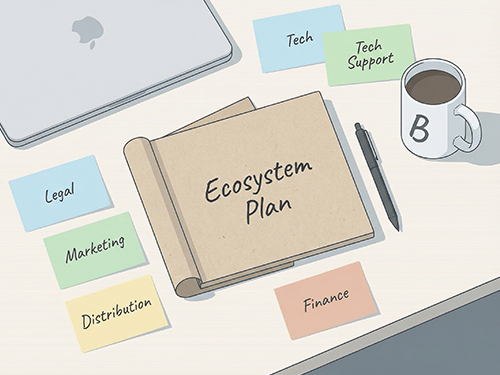
Service partners (e.g. marketing, accounting, legal).
Distribution & sales partners.
Referral networks.
Technology & support partners.
Complementary businesses for cross-selling or bundles.
2. Why Ecosystem Approach Outperforms Solo Growth a) Resource Efficiency & Cost Sharing – Shared infrastructure, pooled talent or services reduce overheads. b) Faster Market Reach – Leverage partners’ networks, customer base, distribution channels. c) Risk Mitigation – Shared responsibilities reduce burden on one business; diversification of risk. d) Innovation Through Collaboration – Combining complementary skills/services leads to unique offerings. e) Scalability & Flexibility – Easier to scale or pivot by leveraging network strengths instead of building everything in-house. f) Resilience to Market Changes – Diversified support network cushions business against shocks or regulatory changes.
3. How SMEs & Startups Can Build Their Own Ecosystem
Start with Mapping What You Need vs What You Offer List down your core offerings, resource gaps, and potential complementary services you’d need (legal, accounting, distribution, marketing, tech).
Identify Reliable Partners & Complementary Businesses Look for businesses offering services/products that complement yours – not competitors. Vet reputation, values, and work ethics.
Draft Agreements & Clear Collaboration Terms Ensure agreements on responsibilities, revenue sharing, deliverables, confidentiality where needed.
Focus on Mutual Value Creation – Not Just Deals Collaborations should benefit all parties – through trust, shared growth, referrals, or co-creation – not one-sided gains.
Market volatility and regulatory changes make solo operations riskier.
Rising costs push businesses to share resources, services, and infrastructure.
Growing demand for integrated, bundled offerings – customers expect full-service solutions, which ecosystems can offer.
Digital transformation and remote work make collaboration simpler and more scalable.
Conclusion
Building a business ecosystem is more than a trend – it’s a pragmatic, strategic move for SMEs and startups aiming for sustainable growth, resilience, and competitiveness. Instead of going it alone, leverage networks, partnerships, and collaborations to build a flexible, powerful support structure.
If you’d like help mapping your ecosystem, finding suitable partners, drafting collaboration agreements, or building a growth network – BOW is ready to assist.







Leave a Reply